Culture Media
- Petrifilm Count Plates and Readers
- Soleris Automated Testing
- Culture Media
- Hygiene Monitoring
- Allergen Testing
- Natural Tcain Testing
- Pathogen Detection
- Nutritional Analysis
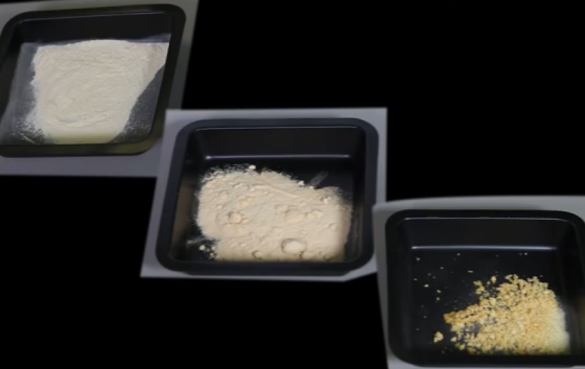
R2A Broth 500 g

R2A Broth is for use with membrane methods for the enumeration of bacteria from water samples, and is not intended for use in the diagnosis of disease or other conditions in humans.
A medium of low nutritional content, for use with membrane methods for the enumeration of bacteria from water samples.
| Brand | Neogen® Culture Media | ||||||||||||||||||
| Analyte | TVC | ||||||||||||||||||
| Platform | Dehydrated Culture Media | ||||||||||||||||||
| Mass | 500 g | ||||||||||||||||||
| Formula |
| ||||||||||||||||||
| Grams per Liter | 3.10 | ||||||||||||||||||
| Liters per 500 g | 167.00 | ||||||||||||||||||
| Preparation |
| ||||||||||||||||||
| Previous Item Number | Product was previously known as LabM Product: LAB203 R2A Broth | ||||||||||||||||||
| Package Weight | 1.35 lb |
Water Plate Count Agar 500 g
Water Plate Count Agar is a non-selective medium which conforms to ISO 6222:1999, and is not intended for use in the diagnosis of disease or other conditions in humans. Water Plate Count Agar allows the enumeration of culturable microorganisms, which can be used for the assessment and surveillance of water quality. Colony counts are useful for assessment of ground water integrity and the efficiency of water treatment processes. They also give an indication of the cleanliness and integrity of the distribution system. They can be used to assess the suitability of a water supply for the preparation of food and drink, thus avoiding contamination of the product with spoilage organisms. The main value of colony counts lies in the detection of changes in water supply quality from those expected, based on frequent long-term monitoring. A sudden increase in the numbers can be a warning of pollution and can call for immediate remedial action.
| Brand | Neogen® Culture Media | ||||||||
| Analyte | TVC | ||||||||
| Platform | Dehydrated Culture Media | ||||||||
| Mass | 500 g | ||||||||
| Formula |
| ||||||||
| Grams per Liter | 24.00 | ||||||||
| Liters per 500 g | 21.00 | ||||||||
| Plates per 500 g | 1,140.00 | ||||||||
| Preparation |
| ||||||||
| Previous Item Number | Product was previously known as LabM Product: LAB197 Water Plate Count Agar | ||||||||
| Package Weight | 1.35 lb |
Dextrose Tryptone Agar
Dextrose Tryptone Agar is used for isolation of mesophilic or thermophilic spoilage microorganisms from food and is not intended for use in the diagnosis of disease or other conditions in humans.
Dextrose Tryptone Agar evolved from research by Williams, while studying the cultivation and enumeration of thermophilic bacteria caused by “flat-sour” spoilage of canned foods. In the 1930’s, the National Canners Association specified the use of Dextrose Tryptone Agar for isolating “flat sour” organisms from food products. “Flat sour” spoilage of canned foods is caused by Bacillus coagulans (Bacillus thermoacidurans). Bacterial growth results in a 0.3 – 0.5 drop in pH, while ends of the can remain flat. B. coagulans is a soil microorganism, found in canned tomato products and dairy products. Conditions favorable for organism growth can result in spoilage of food products. Dextrose Tryptone Agar can be used to isolate other food spoilage bacteria including mesophilic, aerobic spore-formers and thermophilic “flat sour” spore-formers such as B. stearothermophilus.
| Brand | Neogen® Culture Media | ||||||||||
| Analyte | Thermophilic spore bearers | ||||||||||
| Platform | Dehydrated Culture Media | ||||||||||
| Mass | 5 kg | ||||||||||
| Formula |
| ||||||||||
| Grams per Liter | 30.00 | ||||||||||
| Liters per 500 g | 19.00 | ||||||||||
| Plates per 500 g | 1,010.00 | ||||||||||
| Preparation |
| ||||||||||
| Previous Item Number | Product was previously known as Acumedia Product: 7340 Dextrose Tryptone Agar; and LabM Product: LAB020 Dextrose Tryptone Agar | ||||||||||
| Package Weight | 14.00 lb |
One Plate for Total Viable Count
Total Viable Count (TVC) is the test method for the enumeration of microorganisms that are able to grow and form colonies on/in a solid medium after aerobic incubation at 30 °C. The test is used to determine the microbial bioburden of a broad range of foods. One Plate Total Viable Count consists of a nutrient agar base, which provides all the required carbon, nitrogen, and growth factors necessary to support the growth of all heterotrophic microorganisms. An additional diagnostic supplement is added post-sterilization to indicate and color colony-forming units, expressing metabolic activity. This coloration improves the ability to identify and enumerate colonies on or in the agar. The product can permit a quantitative result for total viable count 36–48 hours for all food products, using only one plate versus two or more as described in ISO 7218, ISO 4833 (both parts).
| Item | SKU No. | Catalog No. | |
|---|---|---|
| 500 g | 700006967 | NCM1018A | View Save to List |
| 5 kg | 700006968 | NCM1018B | View Save to List |
| 10 kg | 700006969 | NCM1018C | View Save to List |
| 25 kg | 700006970 | NCM1018D |
| Brand | Neogen® Culture Media |
| Analyte | Total Aerobic Mesophiles |
| Platform | Dehydrated Culture Media, One Plate |
| Approvals | ISO 16140-2 |
| Mass | 500 g |
| Formula | Formulation may be adjusted and/or supplemented as required to meet performance specifications. Peptone: 8.5 g/L Growth Mix: 4.65 g/L Agar: 10.0 g/L pH of the prepared media at 25 °C: pH 6.3 ± 0.1. |
| Preparation |
|
Alkaline Saline Peptone Water (ASPW) (ISO) 500 g
Alkaline Saline Peptone Water is a medium for the enrichment of Vibrio spp. from food and water samples according to ISO 21872-1:2017 and ISO 21872-2:2007, and is not intended for use in the diagnosis of disease or other conditions in humans.
Originally described by Shread, Donovan & Lee as an enrichment broth for Aeromonas spp. and identified by Cruickshank as an effective medium for the enrichment of Vibrio spp., Alkaline Saline Peptone Water uses elevated pH and salt levels to provide a favorable environment for the enrichment of Vibrio spp.
Peptone provides essential vitamins, minerals, amino acids & nitrogen for growth requirements. Sodium chloride provides essential electrolytes for maintenance of the osmotic balance.
Sub-culture onto Thiosulfate Citrate Bile Salts Sucrose (TCBS) Agar (NCM0052) will be required.
| Brand | Neogen® Culture Media | ||||||
| Analyte | Vibrio spp. | ||||||
| Platform | Dehydrated Culture Media | ||||||
| Mass | 500 g | ||||||
| Formula |
| ||||||
| Grams per Liter | 40.00 | ||||||
| Liters per 500 g | 13.00 | ||||||
| Preparation |
| ||||||
| Previous Item Number | Product was previously known as LabM Product: LAB224 ASPW – Alkaline Saline Peptone Water (ISO) | ||||||
| Package Weight | 1.35 lb |
Thiosulfate Citrate Bile Salts Sucrose (TCBS) Agar
Thiosulfate Citrate Bile Salts Sucrose (TCBS) Agar is used for the selective isolation of Vibrio cholerae and other enteropathogenic vibrios according to ISO 21872-1:2017 and ISO 21872-2:2007. Thiosulfate Citrate Bile Salts Sucrose (TCBS) Agar is not intended for use in the diagnosis of disease or other conditions in humans.
TCBS Agar is also called Vibrio Selective Agar, and prepared according to the formula of Kobayashi et al. This formula is a modification of the selective medium from Nakanishi. All pathogenic Vibrio spp., except Vibrio hollisae, will grow on TCBS Agar. This highly selective agar meets the nutritional requirements of Vibrio spp. Vibrio spp. are able to grow in media containing increased salt concentrations, and some species are halophilic. Infections have been associated with ingestion of contaminated water and consumption of contaminated shellfish or seafood. Vibrio spp. are natural inhabitants of seawater.
According to ISO 21872-2, pre-incubation in Alkaline Saline Peptone Water (ASPW) (NCM0175) is required.
| Item | SKU No. | |
|---|---|---|
| 5 kg | NCM0052B | View Save to List |
| 10 kg | NCM0052C | View Save to List |
| 500 g | NCM0052A |
| Brand | Neogen® Culture Media | ||||||||||||||||||||||||||
| Analyte | Vibrio spp. | ||||||||||||||||||||||||||
| Platform | Dehydrated Culture Media | ||||||||||||||||||||||||||
| Mass | 5 kg | ||||||||||||||||||||||||||
| Formula |
| ||||||||||||||||||||||||||
| Grams per Liter | 88.00 | ||||||||||||||||||||||||||
| Liters per 500 g | 6.00 | ||||||||||||||||||||||||||
| Preparation |
| ||||||||||||||||||||||||||
| Previous Item Number | Product was previously known as Acumedia Product: 7210 TCBS Agar; and LabM Product: LAB096 T.C.B.S. Cholera Medium | ||||||||||||||||||||||||||
| Package Weight | 14.00 lb |
Yeast Extract Agar
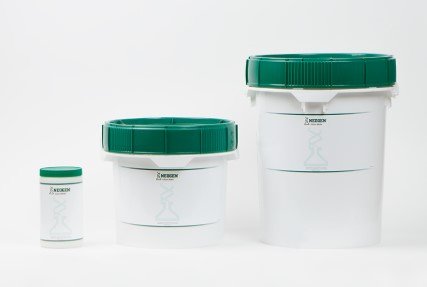
Yeast Extract Agar is used for the enumeration of microorganisms in potable and freshwater samples and is not intended for use in the diagnosis of disease or other conditions in humans.
A nutrient agar corresponding to the standard formulation for the plate count of micro-organisms in water and dairy products. This medium is also useful for teaching and demonstration purposes using non-fastidious organisms.
| Item | SKU No. | |
|---|---|---|
| 5 kg | NCM0069B | |
| 10 kg | NCM0069C | |
| 500 g | NCM0069A |
| Brand | Neogen® Culture Media | ||||||||
| Analyte | TVC | ||||||||
| Platform | Dehydrated Culture Media | ||||||||
| Mass | 5 kg | ||||||||
| Formula |
| ||||||||
| Grams per Liter | 23.00 | ||||||||
| Liters per 500 g | 22.00 | ||||||||
| Plates per 500 g | 1,190.00 | ||||||||
| Preparation |
To prepare Yeastrel Milk Agar add 10mL of fresh milk before autoclaving. | ||||||||
| Previous Item Number | Product was previously known as Acumedia Product: 7707 Yeast Extract Agar | ||||||||
| Package Weight | 15.30 lb |
Tryptone Glucose Extract (TGE) Agar
Tryptone Glucose Extract (TGE) Agar is used for the cultivation and enumeration of microorganisms in dairy and bottled water products. Tryptone Glucose Extract (TGE) Agar is not intended for use in the diagnosis of disease or other conditions in humans.
In the 1930’s, Bower and Hucker developed a medium for detecting bacteria in milk and other dairy products. Prickett used a glucose agar containing tryptone to study thermophilic bacteria in milk. This medium is known as Yeast Dextrose Agar. In 1948, the American Public Health Association (APHA) adopted Tryptone Glucose Extract Agar for use in testing milk and dairy products. Currently, APHA specifies Tryptone Glucose Extract Agar for the heterotrophic plate count procedure in testing bottled water. Tryptone Glucose Extract Agar is also known as Yeast Dextrose Agar.
| Item | SKU No. | |
|---|---|---|
| 5 kg | NCM0158B | |
| 500 g | NCM0158A |
| Brand | Neogen® Culture Media | ||||||||||
| Analyte | TVC | ||||||||||
| Platform | Dehydrated Culture Media | ||||||||||
| Mass | 5 kg | ||||||||||
| Formula |
| ||||||||||
| Grams per Liter | 24.00 | ||||||||||
| Liters per 500 g | 21.00 | ||||||||||
| Plates per 500 g | 1,140.00 | ||||||||||
| Preparation |
| ||||||||||
| Previous Item Number | Product was previously known as Acumedia Product: 7242 Tryptone Glucose Extract (TGE) Agar; and LabM Product: LAB063 Tryptone Glucose Extract (TGE) Agar | ||||||||||
| Package Weight | 14.00 lb |
Neogen® Dichloran Glycerol (DG-18) Agar Base
Dichloran Glycerol (DG-18) Agar Base is used for the selective isolation and enumeration of yeasts and molds from foods in a laboratory setting. Dichloran Glycerol (DG-18) Agar Base is not intended for use in the diagnosis of disease or other conditions in humans. Dichloran Glycerol (DG-18) Agar Base is used for the enumeration of viable osmophilic yeasts and xerophilic molds in food or animal feed products with a water activity of less than or equal to 0.95. This includes such foods as dry fruits, jams, cakes, dried meat, salted fish, grains, cereals, flours, nuts, spices, condiments and some animal feeds. This medium is not suitable for the examination of dehydrated products with a water activity of greater than 0.95, Dichloran Rose Bengal Chloramphenicol Agar (NCM0082 or NCM0029) should be used. The reduction in water activity in this medium is achieved by the addition of glycerol at approximately 18% and this is very important as many yeast and molds require a low water activity to enhance growth and colony development. The medium also contains the antifungal agent dichloran, which restricts the spreading of mucoraceous fungi and restricts the colony size of other genera making colony counting an easier task. Additional selectivity against bacterial growth is achieved by the incorporation of the heat-stable antibiotic Chloramphenicol. Glucose is incorporated as the fermentable carbohydrate source, with casein enzymatic digest providing the essential vitamins, minerals, amino acids, nitrogen and carbon.
| Item | SKU No. | |
|---|---|---|
| 5 kg | NCM0081B | |
| 10 kg | NCM0081C | |
| 500 g | NCM0081A |
| Brand | Neogen® Culture Media |
| Analyte | Osmophilic Yeasts, Xerophilic Moulds |
| Platform | Dehydrated Culture Media |
| Mass | 5 kg |
| Grams per Liter | 31.60 |
| Liters per 500 g | 16.00 |
| Plates per 500 g | 860.00 |
| Package Weight | 14.00 lb |
Neogen® DRBC Agar (BAM)
DRBC Agar (BAM) is used for the selective isolation and enumeration of yeasts and molds from foods in a laboratory setting. DRBC Agar is not intended for use in the diagnosis of disease or other conditions in humans.
DRBC Agar (BAM) is based on Dichloran Rose Bengal Chlortetracycline (DRBC) Agar formula described by King, Hocking, and Pitt. DRBC Agar conforms with APHA guidelines for the mycological examination of foods containing chloramphenicol rather than chlortetracycline as proposed by King, Hocking, and Pitt. DRBC Agar is a selective medium, supporting good growth of yeasts and molds.
| Item | SKU No. | |
|---|---|---|
| 5 kg | NCM0029B | |
| 10 kg | NCM0029C | |
| 500 g | NCM0029A |
| Brand | Neogen® Culture Media |
| Analyte | Yeast & Mold |
| Platform | Dehydrated Culture Media |
| Mass | 5 kg |
| Grams per Liter | 31.60 |
| Liters per 500 g | 16.00 |
| Plates per 500 g | 860.00 |
| Package Weight | 14.00 lb |
Neogen® DRBC Agar (ISO)
Dichloran Rose Bengal Chloramphenicol Agar is for the enumeration of yeasts and is not intended for use in the diagnosis of disease or other conditions in humans. Developed with reference to ISO 21527-1:2008 for the enumeration of yeasts and molds in food and animal products, this medium is tested to the performance requirements of the standard. Used for the enumeration of viable yeasts and molds in products with a water activity of greater than 0.95 such as eggs, meat, some dairy products, fresh pastes, fruit and vegetables, DRBC Agar is designed to suppress the colonial growth of ‘spreader’ molds and in doing so allow easier performance of the colony count technique on yeasts and molds. The use of the anti-fungal agent, dichloran, restricts spreading of mucoraceous fungi and restricts the colony size of other genera. Rose bengal also assists in the reduction of colony sizes and is selective against bacteria. Additional selectivity against bacterial growth is achieved through both the low pH of the medium and the incorporation of the heat-stable antibiotic Chloramphenicol. Glucose is incorporated as the fermentable carbohydrate source, with an enzymatic digest of animal & plant tissues providing the essential vitamins, minerals, amino acids, nitrogen and carbon.
| Item | SKU No. | |
|---|---|---|
| 5 kg | NCM0082B | |
| 500 g | NCM0082A |
| Brand | Neogen® Culture Media |
| Analyte | Yeast & Mold |
| Platform | Dehydrated Culture Media |
| Mass | 5 kg |
| Grams per Liter | 31.70 |
| Liters per 500 g | 16.00 |
| Plates per 500 g | 860.00 |
| Package Weight | 15.30 lb |
Neogen® OGYE Agar Base
OGYE Agar Base is used with oxytetracycline in the detection and isolation of yeasts and molds from foods in a laboratory setting. OGYE Agar Base is not intended for use in the diagnosis of disease or other conditions in humans. Mossel, Visser, and Mengerink described Oxytetracycline-Glucose Yeast Extract (OGYE) Agar for the detection and enumeration of yeasts and molds in foods and other specimens of sanitary significance. Mossel et al. described improved recovery of yeasts and molds compared to acidified agar. This medium is supplemented with oxytetracycline as a selective agent, rather than relying on the low pH of acidified agar to suppress bacterial growth. Acidified agar is commonly used for detection of yeasts and molds in foods and dairy products, and OGYE Agar Base provides an alternate medium.
| Item | SKU No. | |
|---|---|---|
| 5 kg | NCM0132B | |
| 500 g | NCM0132A |
| Brand | Neogen® Culture Media |
| Analyte | Yeast & Mold |
| Platform | Dehydrated Culture Media |
| Grams per Liter | 37.00 |
| Liters per 500 g | 14.00 |
| Plates per 500 g | 740.00 |
| Package Weight | 15.30 lb |
Neogen® Malt Extract Agar
Malt Extract Agar is used for the cultivation of fungi and is not intended for use in the diagnosis of disease or other conditions in humans. An acidic medium which will support the growth of most yeasts and molds whilst inhibiting most bacteria. It was first described by Thom and Church in 1926 in a study of Aspergillus spp. claiming the high carbohydrate content ensured rapid growth. Selectivity can be increased by further lowering the pH with the addition, after sterilization, of Lactic Acid (X037). It should be noted that excess heating of this medium together with its low pH can easily result in hydrolysis of the agar gel producing soft plates.
| Item | SKU No. | |
|---|---|---|
| 5 kg | NCM0093B | |
| 500 g | NCM0093A |
| Brand | Neogen® Culture Media |
| Analyte | Yeast & Mold |
| Platform | Dehydrated Culture Media |
| Mass | 5 kg |
| Grams per Liter | 50.00 |
| Liters per 500 g | 10.00 |
| Plates per 500 g | 540.00 |
| Package Weight | 15.30 lb |
Neogen® Rose Bengal Chloramphenicol Agar
Rose Bengal Chloramphenicol Agar is used for the selective isolation and enumeration of yeasts and molds from foods. Rose Bengal Chloramphenicol Agar is not intended for use in the diagnosis of disease or other conditions in humans. Rose Bengal Chloramphenicol Agar Base is a selective medium for the enumeration of fungi. In 1944, Smith and Dawson used Rose Bengal for the selective isolation of fungi from soil samples. This formula was prepared with a neutral pH, deviating from the usual acidified medium. Several investigations have found a neutral pH with the addition of a selective agent have been successful in supporting fungal growth and restricting bacterial growth. Rose Bengal Agar pre-supplemented with Chloramphenicol is a modification of the Rose Bengal Chlortetracycline Agar formula of Jarvis. Chloramphenicol is recommended as the selective agent in fungal medium with a neutral pH because of its heat stability and broad antibacterial spectrum. Rose Bengal Chloramphenicol Agar is recommended in standard methods for the enumeration of yeast and molds from foods and water. Rose Bengal Chloramphenicol Agar is also referred to as Rose Bengal Agar and Rose Bengal-Malt Extract Agar.
| Item | SKU No. | |
|---|---|---|
| 5 kg | NCM0135B | |
| 500 g | NCM0135A |
| Brand | Neogen® Culture Media |
| Analyte | Yeast & Mold |
| Platform | Dehydrated Culture Media |
| Mass | 5 kg |
| Grams per Liter | 32.20 |
| Liters per 500 g | 18.00 |
| Plates per 500 g | 960.00 |
| Package Weight | 15.30 lb |
Neogen® Sabouraud Dextrose Broth
Sabouraud Dextrose Broth is used for the cultivation of fungi from sterile and non-sterile products. Sabouraud Dextrose Broth conforms to Harmonized USP/EP/JP Requirements and is not intended for use in the diagnosis of disease or other conditions in humans. A medium recommended by the Harmonized Pharmacopoeia for the enrichment of Candida albicans from non-sterile samples and fungal test strain cultivation. Conforms to USP/EP/JP performance specifications. The peptones and dextrose provide a nutritious base for luxuriant fungal growth and the acidic pH affords selectivity against bacteria. Due to the high carbohydrate content and low pH this medium is highly sensitive to overheating. According to the Harmonized Pharmacopoeia, Sabouraud Dextrose Broth is used as an enrichment broth, with subculture performed onto Sabouraud Dextrose Agar.
| Item | SKU No. | |
|---|---|---|
| 5 kg | NCM0147B | |
| 500 g | NCM0147A |
| Brand | Neogen® Culture Media |
| Analyte | Yeast & Mold |
| Platform | Dehydrated Culture Media |
| Mass | 5 kg |
| Grams per Liter | 30.00 |
| Liters per 500 g | 17.00 |
| Package Weight | 15.30 lb |
Neogen® Yeast & Mold Agar
Yeast and Mold Agar is recommended for the isolation and maintenance of yeasts and molds. This medium can also be used for the detection of wild yeasts in beer. Yeast and Mold Agar is not intended for use in the diagnosis of disease or other conditions in humans.
Yeast and Mold Agar is prepared according to the formulation published by Wickerham and was formulated for the selective isolation of yeasts from mixed cultures containing bacteria and molds. The selectivity of this medium may be enhanced through acidification or through addition of selective agents. Yeast and Mold Agar should be sterilized without pH adjustment and sterile acid added to the medium cooled to 45 – 50°C. Acidified Yeast and Mold Agar should not be heated. Antibiotics may be aseptically added to sterile media. Other fungistatic materials may also be added to Yeast and Mold Agar to eliminate molds and permit enumeration of yeasts to mixed populations.
| Item | SKU No. | |
|---|---|---|
| 5 kg | NCM0176B | |
| 500 g | NCM0176A |
| Brand | Neogen® Culture Media |
| Analyte | Yeast & Mold |
| Platform | Dehydrated Culture Media |
| Mass | 5 kg |
| Grams per Liter | 41.00 |
| Liters per 500 g | 12.00 |
| Plates per 500 g | 670.00 |
| Package Weight | 15.30 lb |
Neogen® Yeast Extract Dextrose Chloramphenicol Agar
Yeast Extract Dextrose Chloramphenicol Agar is a selective medium for the enumeration of yeasts and molds in milk and other dairy products, and is not intended for use in the diagnosis of disease or other conditions in humans.
The medium is said to have superior storage properties to O.G.Y.E. and also has the advantage of incorporating an autoclavable supplement.
| Item | SKU No. | |
|---|---|---|
| 5 kg | NCM0187B | |
| 500 g | NCM0187A |
| Brand | Neogen® Culture Media |
| Analyte | Yeast & Mold |
| Platform | Dehydrated Culture Media |
| Mass | 5 kg |
| Grams per Liter | 40.00 |
| Liters per 500 g | 13.00 |
| Plates per 500 g | 680.00 |
| Package Weight | 15.30 lb |
Neogen® Wort Agar
Wort Agar is for the enumeration of yeasts and molds in butter, and is not intended for use in the diagnosis of disease or other conditions in humans.
This medium can be modified to enable it to isolate osmophilic yeasts from soft drinks and sugar products by the addition of high concentrations of sucrose and glucose.
| Brand | Neogen® Culture Media |
| Analyte | Yeast & Mold |
| Platform | Dehydrated Culture Media |
| Mass | 500 g |
| Grams per Liter | 48.30 |
| Liters per 500 g | 10.00 |
| Plates per 500 g | 540.00 |
| Package Weight | 1.35 lb |
Neogen® Yersinia Selective Agar (Schiemann's CIN Agar) 500g
Yersinia Selective Agar is used with cefsulodin and novobiocin for the isolation of Yersinia enterocolitica in a laboratory setting. Yersinia Selective Agar is not intended for use in the diagnosis of disease or other conditions in humans.
This medium is based on the work of Schiemann. It is used for the isolation and enumeration of Yersinia spp. from clinical samples and from food. The selective components are sodium desoxycholate, crystal violet, cefsulodin, irgasan and novobiocin. Yersiniae ferment mannitol with an intense, localized, acid production in the center of the colony which produces a red ‘bull’s eye’ appearance. The ratio of transparent border to red centre varies with serotype and environmental strains may appear rough with an irregular edge. Most other enteric bacteria, if they grow, produce a larger colony with a diffuse pinkish center and opaque outer zone.
| Brand | Neogen® Culture Media |
| Analyte | Yersinia spp. |
| Platform | Dehydrated Culture Media |
| Mass | 500 g |
| Grams per Liter | 58.00 |
| Liters per 500 g | 9.00 |
| Plates per 500 g | 470.00 |
| Package Weight | 1.35 lb |
Neogen® One Plate for Yeast & Mold
One Plate for Yeast and Mold (OP-YM) offers a rapid method for the enumeration of yeasts and molds using traditional culture methodology regardless of the water activity (aw). One Plate for Yeast and Mold is a selective and differential agar for the enumeration of yeasts and molds in foods and environmental samples. It can permit a quantitative result for yeast and mold in a minimum of 54 hours for all food products (all water activities), using only one plate versus 2 or more as described in ISO 21527-1, ISO 21527-2 and ISO 7218.
The product is comprised of an agar base providing all the required growth agents to permit rapid enumeration of yeast and mold from any sample type regardless of water activity. The selective agents prevent bacterial growth from interfering with fungal count. Glycerol is added to the base pre-sterilization and is used regardless of sample type. A supplement is provided which is added to the molten agar post sterilization, which primarily produces diagnostic coloration of yeast species.
| Item | SKU No. | Catalog No. | |
|---|---|---|
| 500 g | NCM1017A | 700006972 | |
| 5 kg | NCM1017B | 700006973 | |
| 10 kg | NCM1017C | 700006974 | |
| 25 kg | NCM1017D | 700006975 |
| Brand | Neogen® |
| Analyte | Yeast & Mold |
| Platform | Dehydrated Culture Media, One Plate |
| Approvals | MicroVal #2021LR99 |
Neogen® Ampouled Media, m-TGE Broth
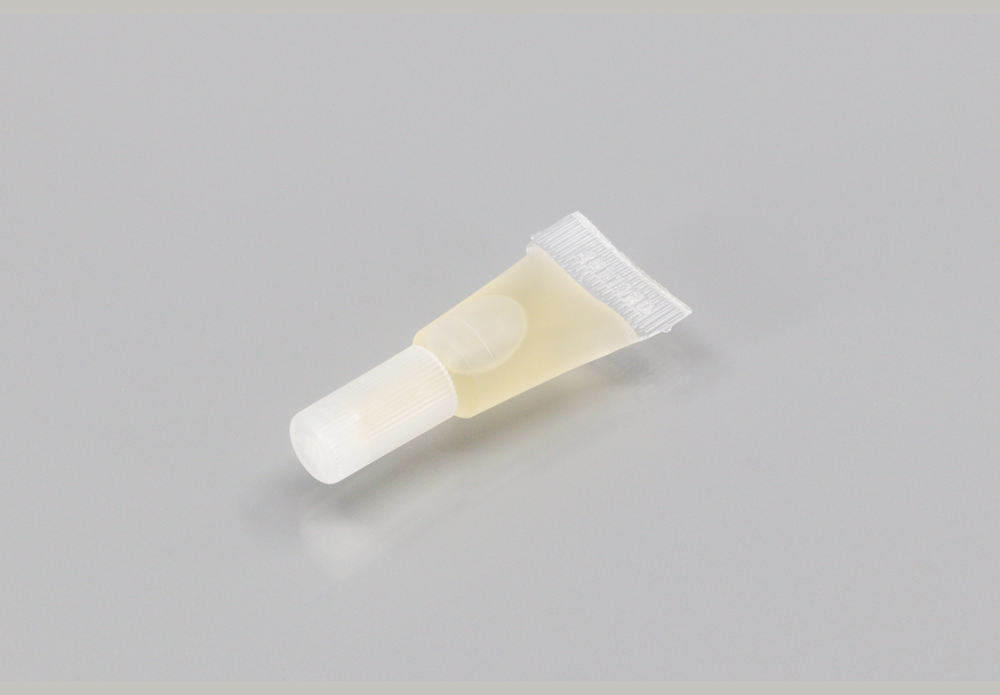
m-TGE Broth, 2 mL (6515) – Used for the determination of bacterial counts and specified by the American Public Health Association for the heterotrophic plate count procedure in testing bottled water. All colonies that grow on the surface of the membrane are counted and recorded.
| Brand | Neogen® |
| Analyte | Coliforms, E. coli, Total Plate Count, Lactics, Yeast & Mold |
| Volume | 2 |
| Quantity per Package | 50 tubes |
| Package Weight | 0.50 lb |
Neogen® Ampouled Media, Rapid m-Green Selective
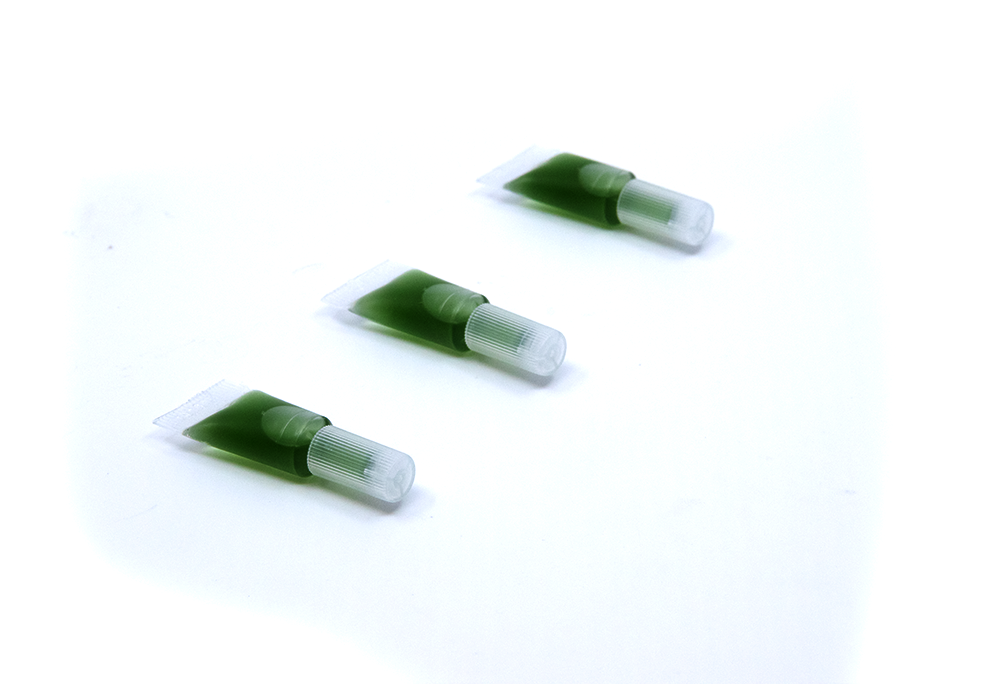
Ampouled Rapid m-Green Selective Broth is used for the detection and quantification of yeast and fungi in beverages by the membrane filtration method. The m-Green broth is rich in nutrients and provides an excellent environment for fungal growth and detection at 48 to 72 hours. The selective agents in the broth inhibit bacterial growth giving a low bacterial background and helping in the identification of fungal colonies. Rapid m-Green Selective Broth is an ideal medium for a total Yeast and Mold count using membrane filtration.
| Brand | Neogen® |
| Analyte | Yeast & Mold |
| Volume | 2 |
| Quantity per Package | 50 tubes |
| Package Dimensions | 6.70 in x 5.60 in x 2.00 in |
| Package Weight | 8.00 lb |
Neogen® Ampouled Media, PRY Broth
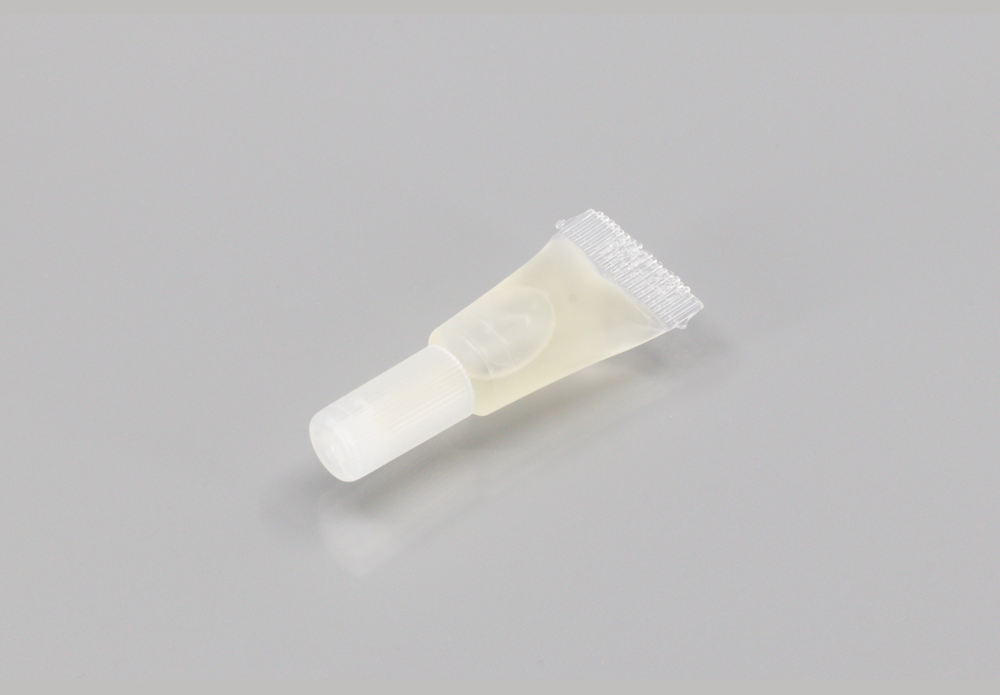
PRY Broth is used for the detection of preservative resistant yeast in water and beverages. For PRY broth only.
| Brand | Neogen® |
| Analyte | Yeast & Mold |
| Volume | 2 |
| Quantity per Package | 50 tubes |
| Package Weight | 0.40 lb |
Neogen® Ampouled Media, Orange Serum Broth
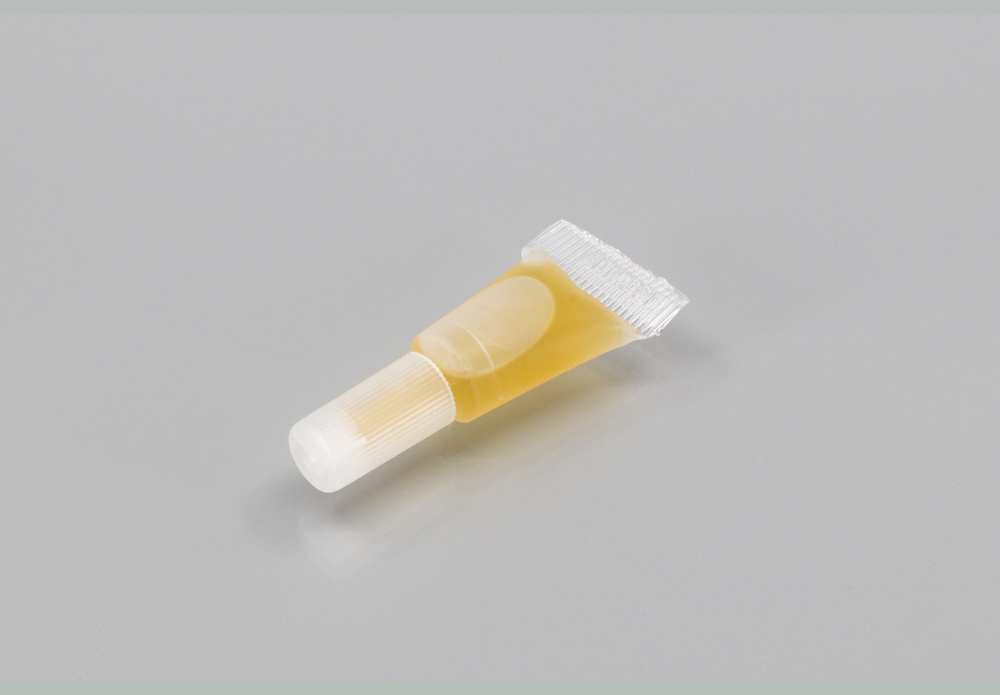
Orange Serum Broth, 2 mL (6525) – Used for and recommended by the American Public Health Association for the cultivation of aciduric microorganisms associated with spoilage in fruit beverages. All colonies that grow on the surface of the membrane are counted and recorded.
| Brand | Neogen® |
| Analyte | Coliforms, E. coli, Total Plate Count, Lactics, Yeast & Mold |
| Volume | 2 |
| Quantity per Package | 50 tubes |
| Package Weight | 0.40 lb |
Neogen® Ampouled Media, m-Green Yeast and Fungi Broth
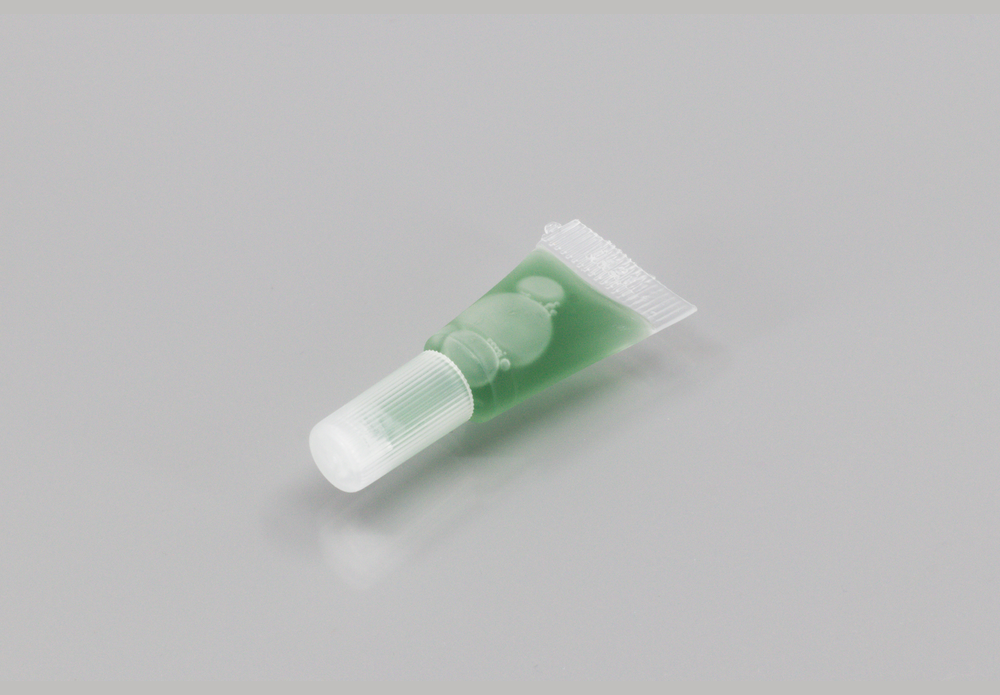
m-Green Yeast and Fungi Broth, 2 mL (6505) – Used for the detection of yeast and fungi in beverages. All colonies growing on the surface of the membrane should be counted. Mold colonies generally appear white with a green tint and filamentous, while the yeast colonies are cream colored and opaque.
| Brand | Neogen® |
| Analyte | Yeast & Mold |
| Volume | 2 |
| Quantity per Package | 50 tubes |
| Package Weight | 0.50 lb |
Neogen® Filter
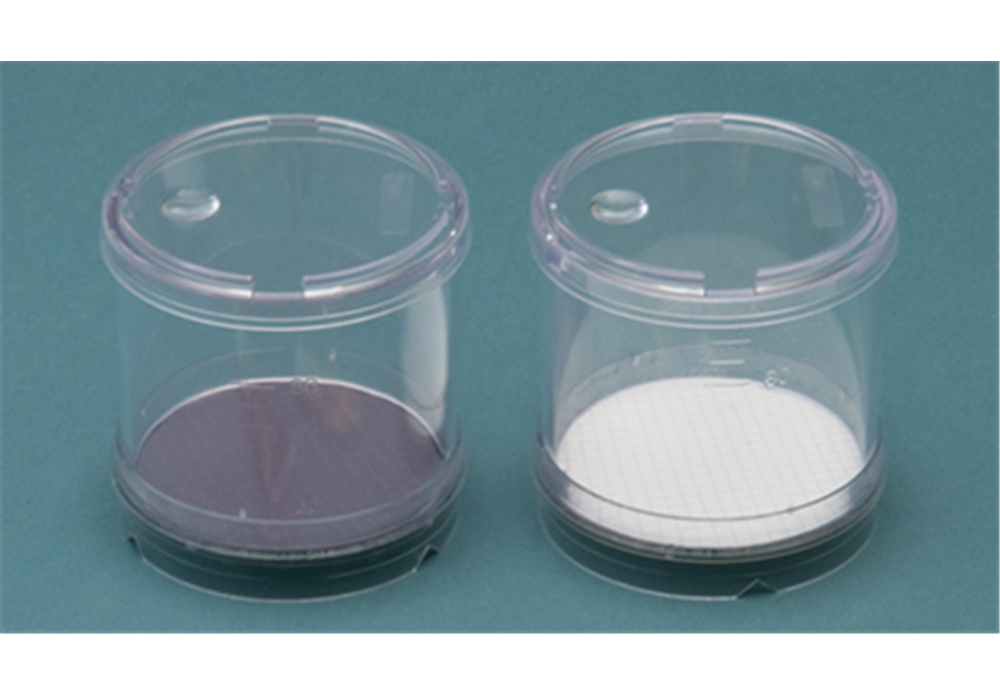
The Neogen® Filter test system utilizes Filter membranes with 2 mL ampouled media to enumerate and detect a wide variety of microorganisms in liquid samples.
Neogen Filter, white (6550) – 100 mL sterile disposable membrane filtration unit used for testing liquid samples. The membrane is white with dark gridlines, 56 mm in diameter, with a pore size of 0.45 µm.
Neogen Filter, black (6555) – 100 mL sterile disposable membrane filtration unit used for testing liquid samples. The membrane is black with light grid lines, 56 mm in diameter, with a pore size of 0.45 µm.
Neogen Filter, black (6556) – 100 mL sterile disposable membrane filtration unit used for testing liquid samples. The membrane is black with light grid lines, 56 mm in diameter, with a pore size of 0.8 µm.
| Brand | Neogen® |
| Analyte | Coliforms, E. coli, Total Plate Count, Lactics, Yeast & Mold |
| Quantity per Package | 50 filters |
| Package Weight | 4.40 lb |